Table of Contents

What is Virtual Machine Backup?
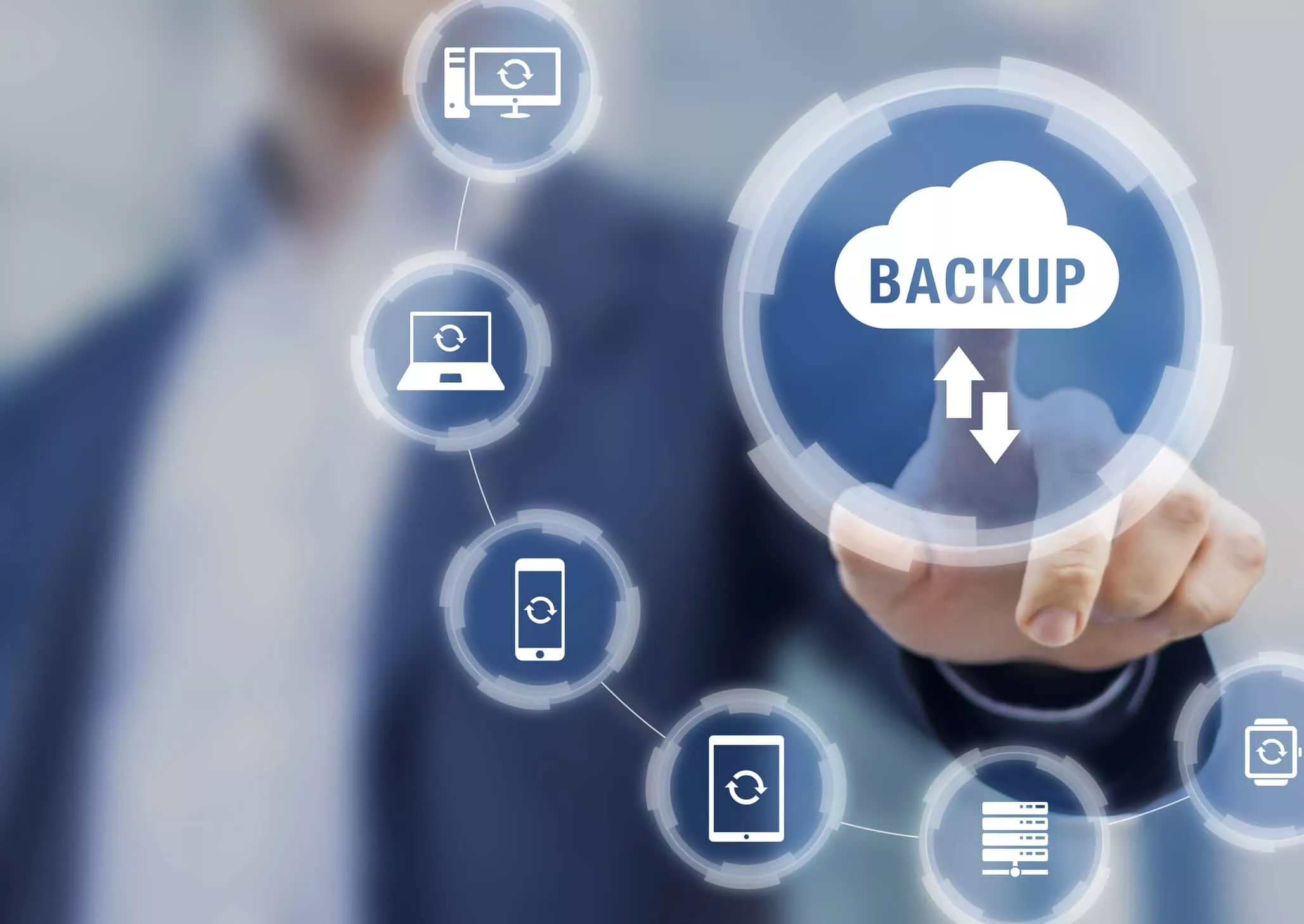
Virtual machine backup is like a safety net designed specifically for your digital world of virtual machines. It works much like traditional backup systems used for physical servers but is tailored to handle the unique environment of VMs. Think of it as a guardian that constantly watches over your VM’s files, settings, and the ever-changing data, ready to restore everything if the unexpected happens.
There are different backup styles to choose from - a full backup where the entire VM is copied, an incremental backup capturing only what’s changed since the last backup, and differential backup which saves all changes since the last full backup. This variety ensures flexibility depending on how much storage you want to use and how fast you need to get back on your feet.
Rabata’s virtual machine backup solutions don’t just stop at copying data. They leverage smart features built into hypervisors to speed up backups while minimizing disruption to your VM operations. This means backups run smoothly, often unnoticed, so your virtual machines keep humming along without hiccups, all while being securely protected.
How Industry Leaders Keep Their Data Safe with Rabata
- Acronis shields the world's largest alumina refinery from data loss. Antonio Cesar Ribeiro Courbassier, IS/IT Infrastructure manager, shares that since adopting the solution, Recovery Time Objectives (RTOs) and Recovery Point Objectives (RPOs) have dramatically improved. Simply put, their disaster recovery plan finally has a reliable backbone. And yes, Acronis stands as the unbeatable champion in safeguarding their critical data.
- Johnson Electric turbocharged their backup process, quadrupling speed thanks to Acronis. Joel Stuart, Network administrator, highlights how quickly they can now back up and restore business data. This boost isn’t just about speed - it’s peace of mind. Knowing backups are complete means confident business continuity, no nail-biting over lost files.
- Granite Ridge Builders beat ransomware threats with Acronis seamlessly integrated into their Hyper-V environment. Justin Jones, IT Manager, points out how installation and setup were straightforward, making backups hassle-free. They chose Acronis because it’s the fastest, most efficient way to protect virtual machines without turning the IT team into overnight tech ninjas.
When it comes to disaster recovery, improving your RTOs and RPOs isn’t just a line in a brochure - it’s about real-world savings in time, dollars, and headaches. Rabata brings this level of security and agility to your cloud storage, ensuring every byte of your data is locked down tight and ready to bounce back faster than you can say 'system failure.'
Speed matters. In data backup, every second counts, and Rabata’s secure cloud storage cuts those wait times dramatically. That means less downtime, faster restoration, and confident IT teams who can finally stop crossing their fingers when the inevitable data hiccup strikes.
Tight integration with your existing virtual environments isn’t a bonus - it’s a necessity. Rabata plays well with platforms like Hyper-V, offering seamless setup and effortless protection of virtual machines. IT managers like Justin find it a breeze, which means they can focus on innovation instead of firefighting backups.
Expert Insights on Cloud Data Protection
Phil Goodwin, the sharp mind behind IDC's Cloud Data Management and Protection research, is a name that echoes in data halls. His insights shed light on how cloud storage is not just about space, but securing your digital treasures against the unexpected.
Navigating the maze of cloud data management can feel like decoding an ancient script. Whether you're a tech wizard or just a curious soul, having expert advice can turn confusion into clarity.
Need a hand? Rabata’s got your back with secure cloud storage solutions that simplify your data life without breaking a sweat.
Reliable Backup and Recovery for Virtual Machines
Backing up your virtual machines doesn't have to be a headache. With Rabata's cloud storage solution, you get a backup system designed to fit your unique VM environment smoothly and efficiently. Whether you manage a handful of virtual machines or a sprawling infrastructure, Rabata ensures your data is safe, accessible, and always ready for a quick recovery.
Forget one-size-fits-all pricing that either breaks the bank or leaves you paying for unused features. Rabata offers flexible pricing options tailored to your needs, making sure you only pay for what you actually use. It's like having a custom-tailored suit for your backup strategy - no excess fabric, just the perfect fit.
Understanding Backup Costs for Azure VMs with Rabata
When you use Azure Backup to protect Azure Virtual Machines, your bills follow Azure's pricing rules. But don't worry, you won't be charged the moment you flip the backup switch. Charges kick in only after the first successful backup completes. That’s when the billing clock starts ticking for both storage and the protected VMs themselves.
Here’s a fun twist-billing doesn’t just stop if you decide to stop protecting a VM. If backup data for that VM still lingers in the vault, the bills keep coming. To really hit the brakes on charges for a VM, you need to stop protection and wipe out all its backup data from the vault. Simple, right?
Now, when protection stops and all active backup jobs are done, Azure calculates your VM’s protected instance size based on the last successful backup’s size. This number is the magic figure that sets your monthly bill.
Opted for agent-based backups that are application consistent or file-system consistent? The protected instance size is calculated differently - it depends on the actual data stored inside your VM. That means adding up everything except temporary storage. Azure charges based on the real data sitting on your VM’s data disks, not on the maximum capacity those disks could hold if they were hungry for data.
Heads up: The agentless multi-disk crash-consistent VM backup feature is now broadly available. With this upgrade came some tweaks to the billing process, so it’s worth checking the updated pricing details to make sure you’re in the know.
Backup storage billing is straightforward-it’s based on the amount of data stored in Azure Backup. In other words, every recovery point’s actual data contribution adds up to your storage bill.
Let's zoom in on an example. Imagine an A2-Standard VM with two extra data disks, each capable of holding up to 32 TB. But how much is really stored? The OS disk has 17 GB filled, the temporary disk holds 5 GB but that doesn’t count for backup, data disk 1 stores 30 GB, and data disk 2 is empty. When you add it up, the VM’s actual size is 47 GB-17 plus 30 plus 0.
| Disk Type | Max Size | Actual Data |
| OS disk | 32 TB | 17 GB |
| Local/temporary disk | 135 GB | 5 GB (excluded from backup) |
| Data disk 1 | 32 TB | 30 GB |
| Data disk 2 | 32 TB | 0 GB |
That 47 GB figure isn’t just a number - it becomes the protecting instance size and the base for your monthly bill with Rabata’s secure cloud storage. And as your data grows, this number adjusts too, so your billing always reflects what’s actually stored.
Virtual Machine Backup Explained
Virtual machine backup, or VM backup, is exactly what it sounds like: making a safety copy of the virtual machines that power your business’s digital world. These virtual machines don’t live in isolation; they run on hypervisors, special software that tricks multiple operating systems into thinking they each have their own physical computer. Thus, one physical server hosts many VMs, making resource use efficient and flexible.
In the bustling world of virtualization, VMware vSphere and Microsoft Hyper-V are the reigning champions, though cloud-based hypervisors are steadily gaining ground. No matter the platform, the need to keep these virtual environments safe is non-negotiable. Think of VM backup as an insurance policy for the virtual machines running your critical business apps, databases, and containerized workloads - all generating mountains of data that simply cannot afford to disappear without a trace.
Enter Rabata, the secure cloud storage wizard ready to safeguard your data with zero drama. Rabata's VM backup software doesn't just copy files; it captures entire virtual machines, making recovery swift and painless. With Rabata by your side, the headache of lost data is a thing of the past. You get robust, reliable protection designed to handle the complexity of modern virtual environments, so your business keeps running smoothly no matter what.

Comments
Impeccable service. The attention to detail in security features is apparent. I particularly appreciate the ability to set geographic restrictions for data access. For storing intellectual property and application code, it provides a level of assurance that mainstream cloud options simply do not offer. The interface is utilitarian but highly functional.
My friend recommended Rabata. I was hacked on another platform, so security was my #1. This feels much safer. Uploading is easy.
Love it! So much better than what I used before. Feel my stuff is finally locked down tight.